
 pin it
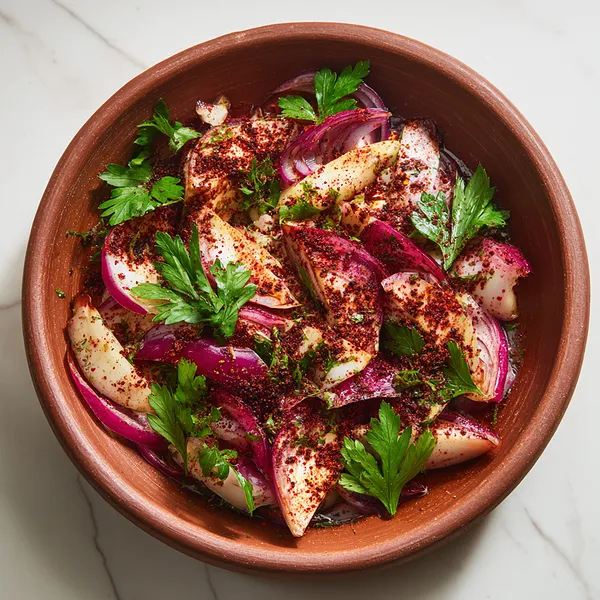
I'll never forget the first time I encountered sumac onion salad at a small family-run restaurant in Amman. The vibrant burgundy color immediately caught my eye as it arrived at the table alongside our mixed grill platter. The waiter smiled and said it was a traditional accompaniment, essential for cutting through rich meats. When I took my first bite, I was struck by how the tangy sumac transformed the raw onions from sharp and biting to mellow and complex. The spice added this wonderful citrusy note without any actual citrus, and the olive oil tied everything together into a cohesive, glossy mixture. Since then, I've made this salad countless times, tweaking the proportions until I found my perfect balance. What I love most is how it brings that authentic Middle Eastern restaurant experience right into my home kitchen. The recipe is deceptively simple – just onions, sumac, herbs, and good olive oil – but the result is far greater than the sum of its parts. It's become my signature side dish, the one I bring to potlucks and serve at dinner parties, always receiving rave reviews and recipe requests.
Why I love this recipe
What makes me absolutely love this recipe is its incredible versatility combined with stunning visual impact. In just ten minutes, you can create something that looks like it belongs in a high-end restaurant but costs mere dollars to make. The sumac, with its deep burgundy color and tangy-tart flavor, is the true star here – it's a spice that deserves more recognition in Western kitchens. I love how this salad challenges people's expectations of what raw onions can be. Instead of harsh and overwhelming, the sumac mellows them into something sophisticated and craveable. It's also incredibly forgiving – you can adjust the sumac to your taste, add more herbs, or even let it marinate for a softer texture. I appreciate that it's naturally vegan, gluten-free, and incredibly healthy, yet feels indulgent and special. The recipe has taught me that you don't need complicated techniques or expensive ingredients to create memorable food. Sometimes, the magic lies in understanding how a few quality ingredients work together. Every time I make this salad, I'm reminded of the power of simplicity in cooking.
What You Need From Your Kitchen
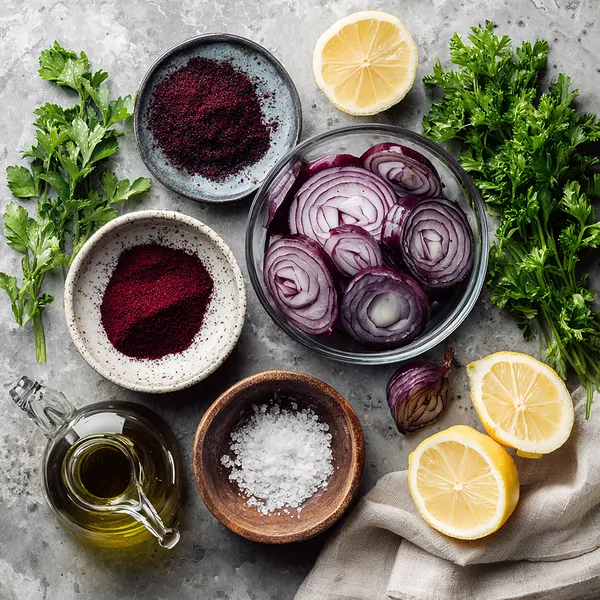
- Red Onions: Choose firm, large onions with deep purple-red skin. Slice into thin wedges for maximum surface area and visual appeal.
- Sumac Powder: This tangy, burgundy-colored Middle Eastern spice is essential. Purchase from specialty stores or online for best quality and freshness.
- Fresh Parsley: Use flat-leaf Italian parsley for best flavor. Wash, dry thoroughly, and chop finely just before adding to the salad.
- Extra Virgin Olive Oil: Select a high-quality, fruity olive oil that will enhance the flavors without overpowering the delicate sumac.
- Fresh Lemon Juice: Squeeze from a fresh lemon just before using to provide brightness and help mellow the raw onion flavor.
- Sea Salt: Use flaky sea salt or kosher salt to season properly and draw out moisture from the onions for better texture.
- Black Pepper: Freshly ground black pepper adds a subtle spicy note that complements the tangy sumac beautifully.
Let's Make These Together
- Prepare Your Onions
- Start by selecting the most vibrant red onions you can find – the deeper the purple color, the more stunning your final dish will be. Peel away the papery skin and slice them into elegant wedges. As you work, separate the layers slightly so each piece can catch the sumac coating. This step is crucial for achieving that restaurant-quality look where every onion layer is perfectly coated in burgundy spice.
- Coat with Sumac
- Here's where the magic happens. Sprinkle that gorgeous sumac powder over your onions like you're dusting them with edible rubies. Use your hands to gently massage the spice into every crevice and curve of the onions. You'll notice the sumac starting to draw out the onion's natural moisture, creating a beautiful, slightly glossy coating. Don't be shy with the sumac – this is what gives the dish its signature tangy flavor and stunning color.
- Dress and Season
- Drizzle your best olive oil over the sumac-coated onions, followed by fresh lemon juice. The oil creates a luxurious mouthfeel while the lemon juice brightens everything up and helps tame the onion's sharpness. Add your salt and pepper, then toss everything together with care. You want each piece evenly dressed but still maintaining its beautiful shape and structure.
- Finish with Fresh Herbs
- Now for the final flourish – scatter that freshly chopped parsley over everything and give it one last gentle toss. The bright green against the deep burgundy is absolutely breathtaking. Let the salad rest for a few minutes if you have time, allowing the flavors to marry and the onions to soften just slightly. Then transfer to your prettiest serving bowl and prepare for the compliments to roll in.
 pin it
Switch Things Up
I first made this salad on a lazy Sunday afternoon when I was craving something fresh and different. I had just returned from a local Middle Eastern market with a jar of sumac, and I was eager to experiment. As I sliced the red onions, their purple layers caught the afternoon light streaming through my kitchen window. When I sprinkled the sumac over them, watching the burgundy powder coat each wedge, I knew I was onto something special. The smell was incredible – tangy, slightly citrusy, with an earthy depth. I added fresh parsley from my garden, and the color contrast was stunning. When I took that first bite, the sharp onion mellowed by the sumac's tartness, I was hooked. Now, whenever I need a quick side dish that looks restaurant-worthy, this is my go-to. The best part? My friends always ask for the recipe, amazed that something so beautiful could be so simple.
Perfect Pairings
This Sumac Onion Salad pairs beautifully with grilled lamb kebabs, where the tangy sumac cuts through the rich, fatty meat perfectly. It's also exceptional alongside creamy hummus and warm pita bread, creating a balanced mezze spread. Try it with grilled chicken shawarma, roasted cauliflower, or as a topping for falafel wraps. The salad's acidity and crunch make it an ideal companion to rich rice dishes like Persian tahdig or Turkish pilaf. For a lighter option, serve it with labneh and za'atar flatbread. It even works wonderfully as a topping for avocado toast or mixed into grain bowls with quinoa and chickpeas.
 pin it
Frequently Asked Questions
- → What does sumac taste like?
Sumac has a tangy, lemony flavor with earthy undertones. It's pleasantly tart without being overly sour, similar to lemon zest but more complex. The spice adds a wonderful depth that can't be replicated with just citrus alone. It's one of the signature flavors in Middle Eastern cuisine and pairs exceptionally well with onions, meats, and vegetables.
- → Can I make this salad ahead of time?
Yes, you can prepare this salad up to 2 hours in advance. However, add the fresh parsley just before serving to maintain its vibrant green color. If you're making it further ahead, the onions will become softer and more pickle-like, which some people actually prefer. Store covered in the refrigerator and bring to room temperature before serving for best flavor.
- → Where can I buy sumac?
Sumac is available at Middle Eastern grocery stores, specialty spice shops, and increasingly in the international aisle of well-stocked supermarkets. You can also order it online from spice retailers. Look for a deep burgundy-red color – if it's brown or faded, it's likely old and will lack the vibrant flavor you want.
- → How do I reduce the sharpness of raw onions?
If you find raw onions too sharp, soak the sliced wedges in cold water for 10-15 minutes, then drain and pat completely dry before proceeding with the recipe. This removes some of the harsh sulfur compounds while maintaining the onion's crunch. Alternatively, letting the dressed salad sit for 30 minutes will naturally mellow the onions as the sumac and lemon work their magic.
- → What can I serve this salad with?
This salad is incredibly versatile and pairs beautifully with grilled meats (especially lamb and chicken), kebabs, falafel, shawarma, hummus, and rice dishes. It's a staple accompaniment in Middle Eastern cuisine and works wonderfully as part of a mezze spread. The tangy, crunchy salad cuts through rich, fatty foods perfectly and adds vibrant color to any plate.
- → Can I substitute white or yellow onions?
While you can technically use any onion variety, red onions are strongly recommended for both flavor and visual appeal. They're slightly sweeter and milder than white or yellow onions, and their gorgeous purple color creates a stunning contrast with the burgundy sumac. If you must substitute, choose sweet onions like Vidalia for the mildest flavor.
- → Is this salad spicy?
No, this salad is not spicy in terms of heat. Sumac is tangy and tart, not hot. The black pepper adds a subtle warmth, but overall the flavor profile is bright, acidic, and refreshing rather than spicy. It's perfect for those who enjoy bold flavors without the burn of chili peppers.
Conclusion
This Zesty Sumac Onion Salad is proof that the simplest recipes often deliver the most impressive results. With just a handful of ingredients and minimal prep time, you create a dish that's visually stunning and bursting with bold Middle Eastern flavors. The tangy sumac perfectly balances the sharp sweetness of red onions, while fresh parsley adds a bright, herbaceous note. Whether you're serving it alongside grilled meats, as part of a mezze spread, or simply enjoying it with warm pita bread, this salad brings vibrant color and unforgettable taste to any meal.