
 pin it
The first time I encountered a lobster pasta, it was at a tiny Italian-American trattoria tucked into a side street — the kind of place with checkered tablecloths and no menu, just a chalkboard. The waiter brought out this enormous bowl of pasta, the steam rising up carrying this incredible smell of garlic and butter and the ocean all at once. There were whole pieces of lobster claw just nestled in the noodles like buried treasure. I had never thought of lobster as a pasta ingredient before that moment — it had always been the centrepiece of its own plate, dipped in melted butter and eaten with a bib. But here it was, transformed, the sweetness of the meat soaking into the cream sauce, the pasta acting as the perfect vehicle for all that flavour. I came home and tried to recreate it immediately. The first attempt was close. The second was better. By the third, I had something I was genuinely proud of. Lobster Bucatini became my signature dish — the one I make for birthdays, for celebrations, for nights when someone deserves something extraordinary.
Why I love this recipe
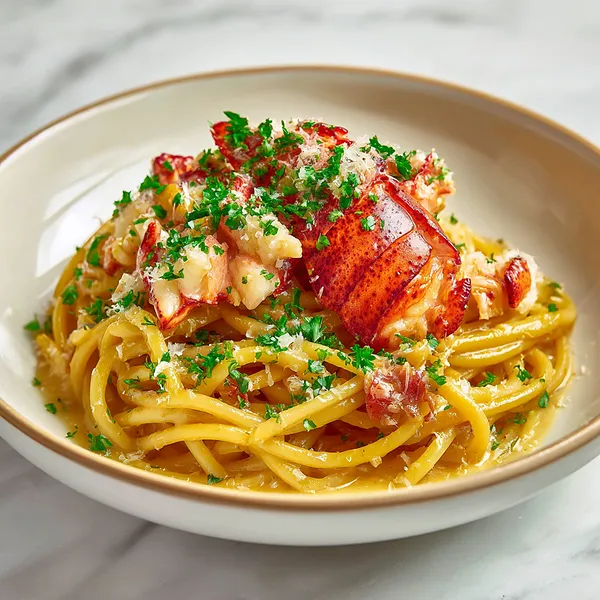
I love this recipe because it makes me feel like I'm cheating somehow — like I've unlocked a secret level of cooking without actually doing anything that difficult. The technique is straightforward: cook the lobster, build the sauce, toss the pasta. But the result tastes like something that took all day. There's something deeply satisfying about that gap between effort and outcome. I also love the way it looks — that tangle of golden bucatini, the dramatic red of the lobster shell against the pale cream sauce, the confetti of green parsley on top. It photographs like a dream, but more importantly, it tastes even better than it looks. Every time I serve it, people get quiet for a moment — that best kind of quiet, where everyone's just eating and not talking because the food deserves full attention. That silence is my favourite compliment.
What You Need From Your Kitchen
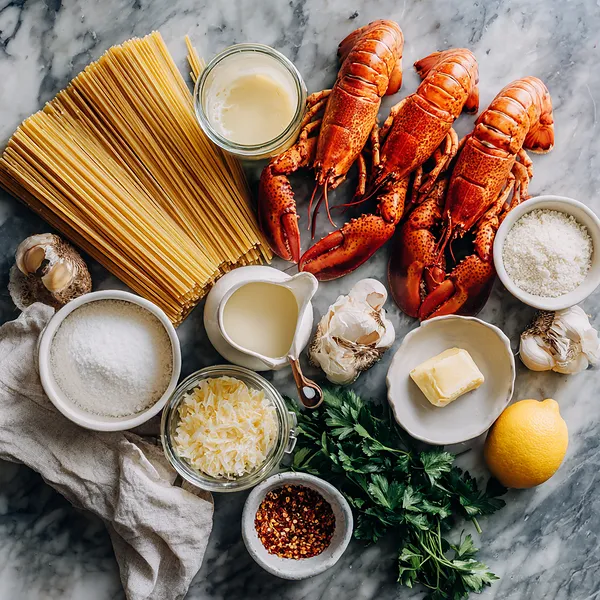
- Lobster Tails: Seared in olive oil until shells turn bright red and meat is just opaque, then extracted and cut into generous chunks
- Bucatini Pasta: Boiled in heavily salted water until perfectly al dente, then tossed directly in the sauce while still hot
- Heavy Cream: Simmered with garlic and white wine to build a rich, silky sauce that coats every strand of pasta
- Garlic: Minced and gently sautéed in butter until fragrant and golden, forming the aromatic backbone of the entire dish
- Dry White Wine: Deglazed into the garlic butter base and reduced by half, adding acidity and depth to balance the richness
- Parmesan Cheese: Freshly grated and tossed through the pasta in two stages for a creamy, nutty finish
- Lemon: Zested and juiced into the sauce to add brightness that cuts through the butter and cream
Let's Make These Together
- Prep and sear the lobster
- Using kitchen shears, cut along the top of each lobster tail shell and gently lift the meat to rest on top. Brush with olive oil, season generously, and place in a screaming hot skillet. Sear 3–4 minutes per side until the shell is deep red and the meat is opaque. Let cool, extract the meat, and cut into large, luxurious chunks. Set aside — these go in last.
- Boil the bucatini to al dente
- Drop your bucatini into a large pot of heavily salted boiling water. Cook until just al dente — it will keep cooking slightly when you toss it with the hot sauce. Before draining, scoop out at least one full cup of that starchy pasta water. It is worth its weight in gold for getting the sauce to the right silky consistency.
- Build your garlic butter base
- In the same skillet, melt butter with a splash of olive oil over medium heat. Add the minced garlic and red pepper flakes and stir constantly for 90 seconds — just until golden and impossibly fragrant. Pour in the white wine and let it sizzle and reduce by half, scraping up any lobster bits stuck to the pan. This step is where the flavour depth lives.
- Create the cream sauce
- Pour in the heavy cream and stir everything together. Add lemon zest and a squeeze of juice. Let the sauce simmer gently for 4–5 minutes, stirring occasionally, until it thickens slightly and coats the back of a spoon beautifully. Taste it — season with salt and black pepper until it makes you want to eat it with a spoon.
- Toss pasta and finish with lobster
- Add the drained bucatini straight into the sauce and toss with tongs, splashing in pasta water as needed until everything is glossy and perfectly coated. Add half the Parmesan and toss again. Now gently fold in the lobster chunks and let them warm through for just 1–2 minutes. Plate immediately, top with the remaining Parmesan, fresh parsley, and a final crack of black pepper.
 pin it
Switch Things Up
I made this for the first time on a quiet weeknight when I had lobster tails in the freezer and couldn't decide what to do with them. I'd made pasta a hundred times before, but something about adding that lobster to a buttery wine cream sauce felt different — elevated. When I twisted the first forkful and that silky sauce hit, I genuinely laughed out loud. It tasted like something from a restaurant I'd never be able to afford on a Tuesday. Now I keep frozen lobster tails on hand specifically so I can make this whenever I need to feel fancy without leaving the house.
Perfect Pairings
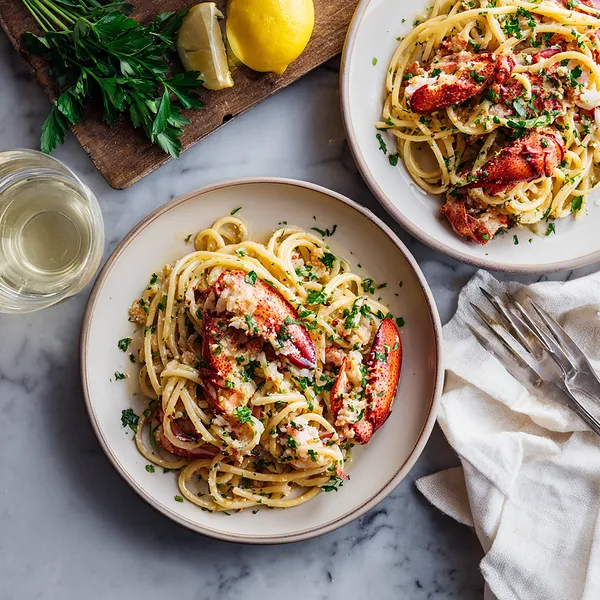
Lobster Bucatini pairs beautifully with a crisp, chilled glass of white Burgundy or a buttery Chardonnay that echoes the richness of the cream sauce. On the table, serve it alongside a simple arugula salad with shaved Parmesan and a bright lemon vinaigrette to cut through the richness. Warm crusty sourdough or a toasted garlic baguette is absolutely non-negotiable — you will want every last drop of that sauce. For dessert, something light like a lemon panna cotta or a scoop of limoncello sorbet keeps the meal feeling refined without being too heavy.
 pin it
Frequently Asked Questions
- → Can I use frozen lobster tails for this recipe?
Absolutely. Frozen lobster tails work beautifully — just make sure to thaw them completely in the refrigerator overnight and pat them very dry before searing. Excess moisture will prevent a proper sear and can make the sauce watery.
- → What pasta can I use instead of bucatini?
Spaghetti and linguine are the closest substitutes and work very well. The hollow centre of bucatini is ideal because it traps the cream sauce inside each strand, but any long pasta will give you a delicious result. Avoid short pastas — they don't carry the sauce the same way.
- → Can I make this without white wine?
Yes. Replace the white wine with an equal amount of chicken or seafood broth with a small extra squeeze of lemon juice to replicate the acidity. The depth of flavour will be slightly different but still very good.
- → How do I know when the lobster is perfectly cooked?
The meat should be opaque and white throughout with no translucent areas, and the shell should be bright red. Lobster cooks quickly — 3 to 4 minutes per side is usually enough. Remember it will warm through again in the hot sauce, so pull it slightly before you think it's done to avoid rubbery texture.
- → Can I prepare any components of this dish ahead of time?
You can sear the lobster and make the cream sauce base a few hours ahead and refrigerate them separately. When ready to serve, reheat the sauce gently, boil fresh pasta, and fold everything together. The dish is best assembled and served immediately for the silkiest texture and best lobster quality.
- → Is heavy cream necessary or can I use a lighter alternative?
Heavy cream gives you the richest, most stable sauce that won't break when heated. You can use half-and-half for a lighter version, but reduce it longer and lower since it's thinner. Avoid substituting with milk alone — the sauce won't have enough body to coat the pasta properly.
Conclusion
Lobster Bucatini is one of those dishes that feels wildly indulgent but comes together faster than you'd expect. The magic is in the sauce — garlic, butter, cream, and white wine creating something truly special that clings to every strand of pasta. Once you make this, it becomes your go-to dinner to impress anyone at the table.