
 pin it
I first encountered Japanese soufflé pancakes at a tiny café in Tokyo during a work trip, and I was absolutely mesmerized. The server brought out this towering stack of what looked like edible clouds, and when she set the plate down, they actually wobbled. I'd never seen pancakes do that before! One bite and I was hooked – they were nothing like the dense, American-style pancakes I grew up with. These were airy, almost custard-like in the center, with a delicate sweetness that didn't overpower. The texture was so unique – simultaneously fluffy and creamy, light yet satisfying. I spent the rest of that trip trying them at different spots, taking notes on my phone about techniques I observed through café windows. When I got home, I was determined to recreate them. It took me about five attempts to get the meringue just right – not too stiff, not too soft – and to master the gentle folding technique that keeps all those precious air bubbles intact. The key, I learned, is patience. You can't rush the cooking process; these pancakes need low heat and a covered pan to steam and rise properly. Now, I make them whenever I want to treat myself or impress someone special. They're my go-to for lazy Sunday mornings when I have time to invest in breakfast. The process has become almost meditative – the rhythmic whisking of egg whites, the careful folding, the anticipation as they cook. Each batch reminds me of that first magical experience in Tokyo.
Why I love this recipe
There's something incredibly satisfying about making these pancakes that goes beyond just the eating. I love how they force me to slow down and be present in the kitchen – you can't multitask when you're making soufflé pancakes. Every step requires attention and care, from achieving those stiff peaks in the meringue to the gentle folding motion that preserves all that airiness. The transformation is magical: simple ingredients – eggs, milk, flour, sugar – become something extraordinary through technique alone. What I love most is that moment when you lift the lid and see how tall they've risen, that gorgeous golden top, and then the jiggle. It never fails to make me smile. These pancakes also have this wonderful way of making ordinary mornings feel special. There's a sense of accomplishment that comes with successfully making them, like you've mastered something that takes real skill. And the reactions from others? Priceless. I've served these to friends who've literally taken photos before taking a single bite. The texture is unlike anything else – that perfect balance between structure and cloudlike softness, the way they almost melt on your tongue. They're also endlessly customizable with different toppings, so they never get boring. But beyond all the technical aspects, I love what these pancakes represent: taking time to create something beautiful and delicious, proving that breakfast can be both an art form and a comfort. In our rushed world, these slow, deliberate pancakes are my little act of rebellion, my way of saying that some things are worth the extra effort.
What You Need From Your Kitchen
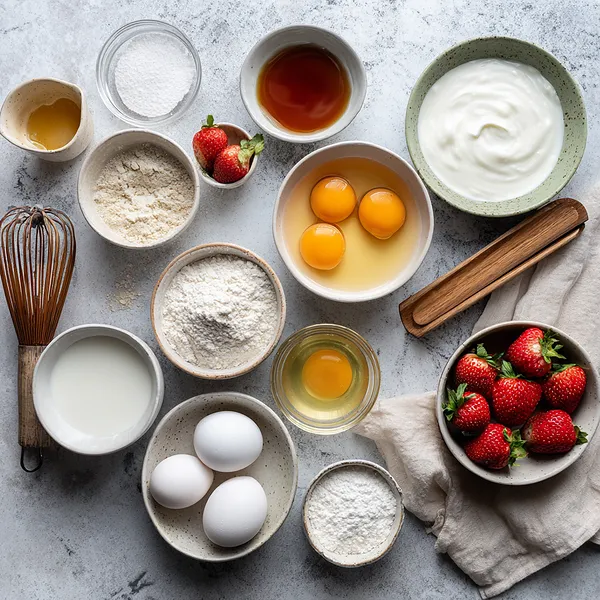
- Large eggs: Separate carefully into yolks and whites, ensuring no yolk contaminates the whites for proper meringue
- Whole milk: Use at room temperature and mix with egg yolks to create the base batter
- All-purpose flour: Sift before adding to prevent lumps in the batter
- Granulated sugar: Add gradually to egg whites while beating to create stable meringue
- Cream of tartar: Add to egg whites to stabilize the meringue and help achieve stiff peaks
- Fresh strawberries: Slice and use as a fresh, tart topping to complement the sweet pancakes
- Whipped cream: Dollop on top for added richness and creamy contrast
Let's Make These Together
- Separate and Mix Base
- Begin by carefully separating your eggs, keeping the whites pristine and yolk-free. Whisk the yolks with milk and vanilla until smooth, then gently incorporate the sifted flour to create a silky batter. This forms the foundation of your fluffy pancakes.
- Create Perfect Meringue
- In your spotlessly clean bowl, whip the egg whites with cream of tartar until foamy, then gradually rain in the sugar while beating. Continue until you achieve those gorgeous stiff peaks that stand proudly when you lift the beaters – this is where the magic happens.
- Fold with Care
- This is the crucial step where technique matters most. Gently fold the meringue into your batter in three additions, using smooth cutting and folding motions. Treat it like you're folding clouds into sunshine – preserve those precious air bubbles that give the pancakes their signature fluffiness.
- Cook Low and Slow
- Spoon tall mounds of batter onto your buttered, low-heat pan and immediately cover with a lid. The gentle steam and slow cooking allow the pancakes to rise magnificently while developing that beautiful golden exterior. Patience here rewards you with sky-high results.
- Flip and Finish
- With a steady hand and wide spatula, carefully flip these delicate towers and continue cooking covered. Once both sides are perfectly golden and the centers are set, transfer to plates and dress them up with all your favorite toppings for an unforgettable breakfast experience.
 pin it
Switch Things Up
The first time I made these pancakes, I was skeptical that they'd actually turn out as fluffy as the videos I'd seen online. I remember carefully separating the eggs, my hands a bit shaky because I knew one tiny bit of yolk in the whites would ruin the meringue. When I started folding that glossy, stiff meringue into the batter, it felt almost wrong – like I was deflating all my hard work. But I trusted the process. The moment of truth came when I spooned the first portion into the pan and covered it. Ten minutes later, when I lifted that lid and saw how incredibly tall and jiggly they were, I actually gasped. My partner came running into the kitchen asking what happened, and I just pointed at these magnificent, wobbling towers of breakfast perfection. We stood there for a solid minute just watching them jiggle, laughing like kids. When we finally cut into them, the interior was so soft and custardy that we both went silent, just savoring each bite. Now, every time I make them for friends, I do the same thing – I bring the pan to the table before plating just so everyone can witness the jiggle. It never gets old!
Perfect Pairings
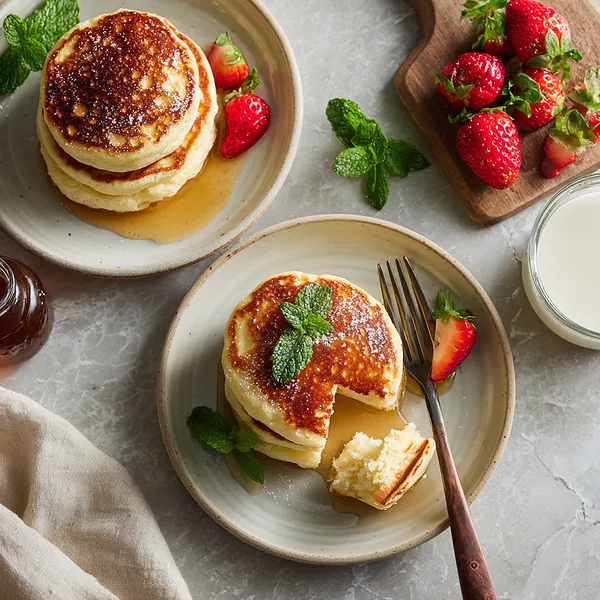
These delicate pancakes pair beautifully with a variety of accompaniments. Fresh berries – strawberries, blueberries, or raspberries – provide a tart contrast to the sweet, eggy flavor. A drizzle of pure maple syrup or honey adds the classic breakfast sweetness, while a dollop of whipped cream or mascarpone creates an indulgent finish. For a more Japanese-inspired pairing, try them with matcha powder dusted on top or a side of red bean paste. A cup of hot green tea or a latte complements the richness perfectly. If you want to go savory, these also work surprisingly well with crispy bacon on the side – the salty-sweet combination is divine. For special occasions, try them with lemon curd or chocolate sauce for an extra decadent treat.
 pin it
Frequently Asked Questions
- → Why did my meringue not form stiff peaks?
The most common reasons are: using cold eggs instead of room temperature, having any traces of fat or yolk in the egg whites, or using a bowl that wasn't completely clean and dry. Even a tiny amount of grease prevents proper meringue formation. Also, make sure you're adding the sugar gradually and beating long enough – it can take 5-7 minutes to reach stiff peaks.
- → Can I make these pancakes ahead of time?
Unfortunately, these are best served immediately while they're at their fluffiest. The meringue-based batter starts to deflate once mixed, so you should cook them right away. However, you can separate the eggs and measure out ingredients ahead of time to streamline the process. The cooked pancakes will also lose some height as they cool, though they'll still taste delicious.
- → My pancakes didn't rise as much as expected, what went wrong?
This usually happens when the meringue was over-folded into the batter (deflating the air bubbles), the heat was too high (cooking the outside before the inside could rise), or the lid wasn't used (no steam to help them puff up). Make sure you fold gently, use very low heat, and always cook with a lid on.
- → Do I need to use a special pan for these pancakes?
A non-stick pan is highly recommended because these delicate pancakes need to release easily when flipping. You also need a lid that fits your pan. A regular non-stick skillet works great – you don't need any special equipment. Just make sure it's large enough to fit 2-3 pancakes with space between them.
- → Can I add flavors or make variations?
Absolutely! You can add a tablespoon of matcha powder to the batter for green tea pancakes, or mix in chocolate chips after folding the meringue. Lemon zest in the batter creates a lovely citrus version. Just be careful not to add too much liquid or heavy mix-ins that could weigh down the batter. Keep additions light and minimal to maintain that signature fluffiness.
- → What's the secret to getting them really tall?
Stack your batter high when spooning it onto the pan – don't spread it out. Add an extra dollop on top of each mound for extra height. Use the lowest heat possible and always cook covered so the steam helps them rise. The stiff meringue is also crucial – if your peaks aren't stiff enough, the pancakes won't hold their height during cooking.
Conclusion
These Japanese soufflé pancakes are more than just breakfast – they're an experience. The combination of technique and patience creates something truly special that will have everyone at your table asking for seconds. While they require a bit more attention than traditional pancakes, the result is absolutely worth it. The jiggly, cloud-like texture paired with the sweet toppings creates a memorable dish that's perfect for special weekend mornings or when you want to impress guests. Once you master the technique of folding the meringue, you'll find yourself making these fluffy delights again and again.