
 pin it
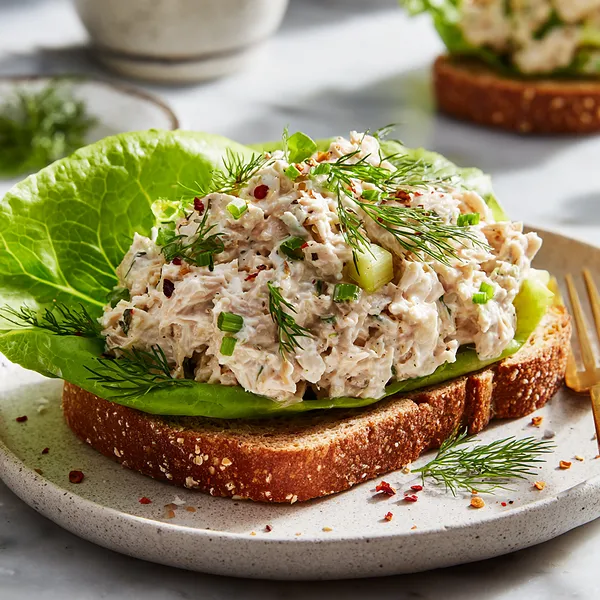
I grew up eating tuna salad that was basically just tuna and mayonnaise, mashed together until it was smooth and spread thick on white bread. It was fine. It did the job. But the first time I had a version made with fresh herbs — real dill, actual lemon zest, crunchy celery — it completely reset my expectations for what tuna salad could be. It was at a small café that took simple food seriously, and the tuna salad there was almost shockingly good. It had texture, brightness, a little heat from cracked pepper, and this creaminess that didn't feel heavy. I remember thinking: this is a completely different dish made from the same ingredient. I started experimenting at home immediately. The Greek yogurt swap came from wanting that same lightness without losing the creaminess. The dill and lemon zest were non-negotiable from the start. This recipe is now one of my most-made, most-loved basics — and it genuinely takes less time to make than it does to eat.
Why I love this recipe
What I love most about this tuna salad is that it punches so far above its weight class for something that takes ten minutes and zero cooking. The fresh dill is the ingredient that makes it feel special — it has this bright, slightly grassy flavor that lifts the whole bowl in a way that dried herbs absolutely cannot replicate. I love that Greek yogurt adds a subtle tang and keeps the texture luxuriously creamy while cutting back on the heaviness of a full-mayo version. The crunch from the celery and the sharpness of the red onion mean every single bite has contrast and interest. And the red pepper flakes — just a small pinch — add this quiet warmth at the back of every bite that makes you want another forkful immediately. It's a recipe I recommend to everyone who tells me they want to eat better but don't have time to cook.
What You Need From Your Kitchen
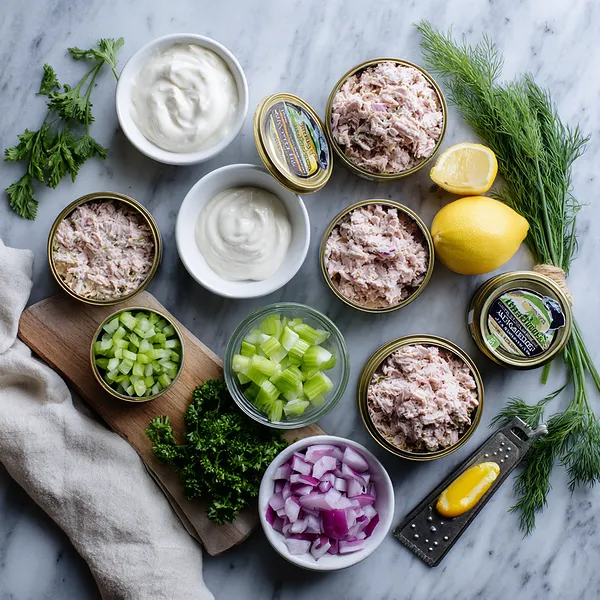
- Canned Tuna: Drained thoroughly and flaked with a fork — use tuna packed in water for the lightest result, or in olive oil for richer flavor
- Celery: Finely diced to add fresh crunch and a subtle savory note throughout every bite of the salad
- Red Onion: Diced small and optionally soaked in cold water to mellow the sharpness before folding into the mix
- Greek Yogurt: Combined with mayonnaise to create a creamy, lighter dressing with a pleasant tang that complements the lemon
- Fresh Dill: Chopped and folded in generously — the herb that defines the flavor profile of this entire salad
- Fresh Lemon: Both juiced and zested to add bright citrus acidity and fragrance to the dressing
- Dijon Mustard: Stirred into the dressing for a subtle savory depth and a gentle sharpness that pulls everything together
Let's Make These Together
- Drain the tuna completely
- Open your tuna cans and drain every drop of liquid you can — press the tuna firmly against the lid or push it through a fine strainer. This is the step most people skip and then wonder why their tuna salad feels watery. Take the extra 30 seconds. It makes a real difference to the final texture.
- Chop your vegetables and herbs
- Dice the celery and red onion into small, even pieces so they distribute evenly through the salad. Chop the fresh dill and parsley generously — don't be shy with the herbs, they are what make this version feel alive and fresh rather than flat. If raw onion is sharp for you, cover the diced onion with cold water for 5 minutes then drain before using.
- Mix the creamy dressing
- In your mixing bowl, stir together the mayonnaise, Greek yogurt, Dijon mustard, fresh lemon juice, and lemon zest until smooth. Taste it right now before anything else goes in — it should be tangy and bright. Adjust the lemon or mustard to your liking at this stage while it's easy to correct.
- Fold in the tuna and vegetables
- Add the drained tuna, celery, red onion, dill, and parsley to the bowl. Fold gently with a fork rather than stirring aggressively — you want the tuna to stay in flakes, not turn into paste. Mix until everything is evenly coated in the dressing.
- Season, taste, and serve
- Add the cracked black pepper and red pepper flakes, then taste again and adjust. More lemon for brightness, more dill for freshness, a pinch of salt if it needs it. Serve immediately on toast with butter lettuce, or refrigerate for 20–30 minutes to let the flavors come together even more beautifully.
 pin it
Switch Things Up
I started making this version of tuna salad when I was going through a phase of trying to eat lighter without giving up the things I actually loved. I'd always made tuna salad the classic way — heavy on the mayo, nothing else going on. But one afternoon I had Greek yogurt in the fridge and decided to swap half the mayo out, then grabbed whatever herbs were sitting on the counter. Fresh dill went in, a little lemon zest, some red pepper flakes. I tasted it standing at the counter and immediately made a second bowl.
Perfect Pairings
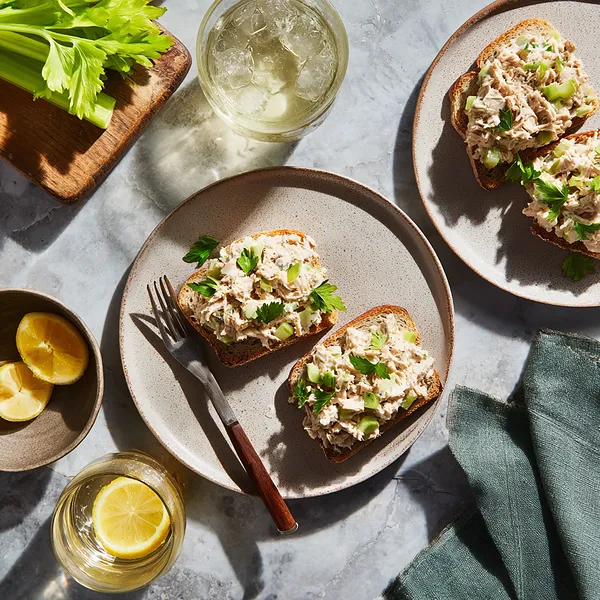
This tuna salad is incredible piled onto thick-cut toasted whole grain or sourdough bread with a layer of crisp butter lettuce — the contrast of the creamy filling against the crunchy toast is unbeatable. For a lighter option, serve it wrapped in large romaine or butter lettuce leaves as lettuce cups. It also pairs beautifully alongside a simple tomato and cucumber salad dressed in olive oil and lemon, or a cup of chilled gazpacho on a warm day. For something heartier, serve with a bowl of vegetable soup or a handful of whole grain crackers on the side.
 pin it
Frequently Asked Questions
- → Can I use tuna packed in olive oil instead of water?
Yes, and it actually makes a richer, more flavorful salad. If you use oil-packed tuna, drain it well and consider reducing the mayonnaise slightly since the oil already adds fat and moisture to the mix.
- → Can I make this tuna salad ahead of time?
Absolutely — it actually improves after sitting in the fridge for 20–30 minutes as the flavors meld together. Store it in an airtight container for up to 3 days. Give it a quick stir and taste before serving and add a small squeeze of fresh lemon to brighten it back up if needed.
- → Can I make this dairy-free?
Yes — simply replace the Greek yogurt with extra mayonnaise, or use a dairy-free yogurt alternative. The texture will be slightly different but the flavor will still be excellent, especially with the fresh herbs and lemon carrying the dish.
- → What can I serve this tuna salad with besides toast?
It's incredibly versatile. Serve it in butter lettuce cups as a low-carb option, stuffed into a whole grain wrap with sliced avocado, on top of crackers as an appetizer, or mixed into pasta for a quick tuna pasta salad. It even works spooned over a simple green salad with cucumber and tomato.
- → Why do you mix Greek yogurt with mayonnaise instead of using just one?
Using only mayonnaise makes the dressing heavier and one-dimensional. Greek yogurt lightens it up while adding a subtle tang that complements the lemon and mustard beautifully. The combination gives you the best of both — creamy richness plus a bright, fresh quality that mayo alone can't provide.
- → Can I add other vegetables or mix-ins?
Definitely. Diced cucumber, sliced green onions, halved cherry tomatoes, capers, or even finely diced pickles all work wonderfully. A small amount of diced avocado stirred in just before serving adds creaminess and healthy fat without changing the flavor profile dramatically.
Conclusion
This Healthy Tuna Salad is everything a great lunch should be — fast, fresh, satisfying, and genuinely delicious without any guilt attached. The combination of Greek yogurt and mayonnaise keeps the dressing creamy but lighter, while the celery, red onion, and fresh herbs make every bite vibrant and textured. Serve it on toast, in a lettuce wrap, or on crackers — it works beautifully every single way. Make a big batch on Sunday and you've got effortless, protein-packed lunches sorted for the whole week.