
 pin it
I first encountered these crispy coconut pineapple rings at a beachside restaurant during a vacation in Hawaii. The server brought out this towering stack of golden rings, and I was immediately captivated by the aroma of toasted coconut and caramelized pineapple. That first bite was revelatory – the exterior shattered into a thousand crispy flakes while the pineapple inside remained incredibly juicy and sweet. The contrast in textures was unlike anything I'd experienced with fruit before. I spent the rest of that trip trying to recreate the recipe in my mind, taking mental notes of every flavor and texture. When I got home, I experimented for weeks until I nailed the perfect coating ratio and frying technique. What makes this recipe special is the triple coating process – flour for adherence, egg for binding, and the coconut-panko mixture for that irresistible crunch. The pineapple's natural sugars caramelize beautifully during frying, creating almost candy-like edges. I've made these countless times since, tweaking and perfecting the method. They've become my signature dish at gatherings, and I love watching people's faces light up when they take that first crunchy, tropical bite.
Why I love this recipe
This recipe holds a special place in my heart because it transforms a simple fruit into something extraordinary. I love how accessible it is – you don't need exotic ingredients or complicated techniques, just fresh pineapple and pantry staples. The process itself is almost meditative: slicing the pineapple into perfect rings, setting up the coating station, watching each ring turn golden in the hot oil. There's something deeply satisfying about the transformation from raw fruit to crispy, golden perfection. What I appreciate most is the versatility – these rings work for any occasion, from casual weeknight treats to elegant dinner party desserts. They're impressive without being intimidating to make. I also love that they're naturally dairy-free, making them accessible to friends with dietary restrictions. The recipe taught me that frying isn't just for savory foods; when done right, it can elevate fruit into something spectacular. Every time I make these, I'm reminded of that Hawaiian sunset and the joy of discovering new flavors. It's a recipe that never fails to bring smiles and spark conversations, and that's exactly what cooking should be about.
What You Need From Your Kitchen
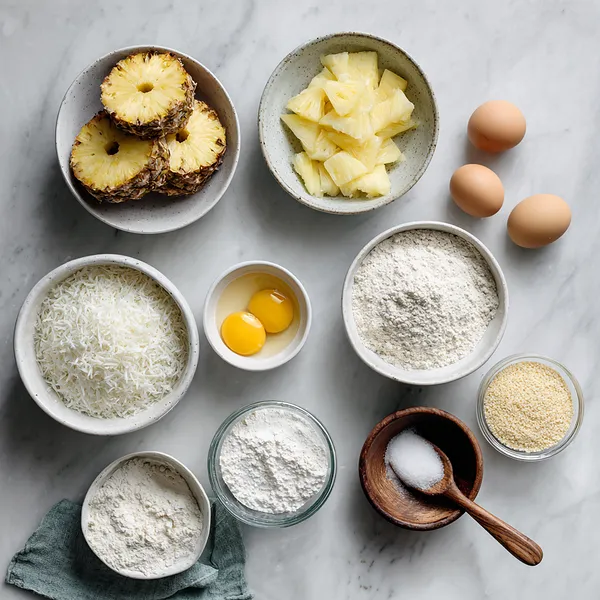
- Fresh Pineapple: Peel, core, and slice into half-inch thick rings, then pat dry thoroughly
- Shredded Coconut: Mix with panko breadcrumbs for the crispy coating mixture
- Eggs: Beat well in a shallow bowl for dipping the floured pineapple rings
- Panko Breadcrumbs: Combine with coconut to create extra-crunchy texture
- All-Purpose Flour: Use for the first coating layer to help egg adhere
- Vegetable Oil: Heat to 350°F for frying, maintaining consistent temperature
- Honey: Drizzle generously over finished rings for extra sweetness
Let's Make These Together
- Prepare Your Pineapple Perfectly
- Start by selecting a ripe, fragrant pineapple with golden-yellow skin. Remove the top and bottom, then carefully slice off the skin in downward strips. Use a paring knife to remove any remaining eyes. Cut the pineapple into half-inch thick rounds and use a small cookie cutter or knife to remove the tough core from the center of each ring. This creates the classic ring shape and ensures every bite is tender and sweet.
- Create Your Triple Coating Station
- Set up three shallow bowls or plates in an assembly line. Fill the first with all-purpose flour seasoned with a tiny pinch of salt. In the second bowl, whisk the eggs until completely smooth and homogeneous. In the third bowl, thoroughly mix the shredded coconut with panko breadcrumbs until well combined. This setup makes the coating process efficient and mess-free. Keep one hand for dry ingredients and one for wet to avoid clumpy fingers.
- Master the Coating Technique
- Pat each pineapple ring completely dry with paper towels – this is crucial for coating adhesion. Dredge the ring in flour, coating both sides and shaking off any excess. Dip into the beaten egg, allowing extra to drip back into the bowl. Finally, press the ring firmly into the coconut-panko mixture, using your hands to pat it down and ensure complete, even coverage on both sides. Place coated rings on a baking sheet lined with parchment paper.
- Achieve Perfect Frying Temperature
- Pour vegetable oil into a large, heavy-bottomed skillet or deep pan to a depth of about one inch. Heat over medium-high heat until it reaches 350°F, using a thermometer to monitor. Test by dropping a small pinch of the coconut coating into the oil – it should sizzle vigorously and rise to the surface immediately. If it burns quickly, reduce heat slightly. Maintaining proper temperature is key to crispy, not greasy, results.
- Fry to Golden Crispy Perfection
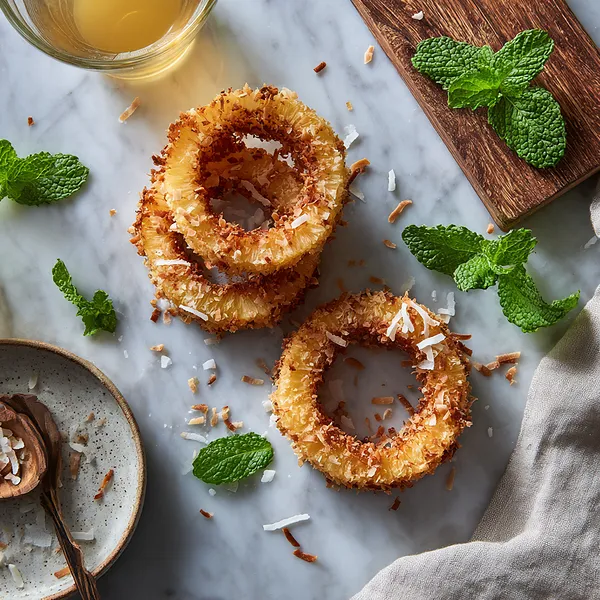
- Working in batches of 2-3 rings to avoid crowding, carefully slide each coated pineapple ring into the hot oil. Fry for 2-3 minutes on the first side until deep golden brown, then carefully flip using a slotted spoon or spatula. Fry the second side for another 2-3 minutes. The coconut should be toasted and fragrant, with the pineapple heated through and caramelizing at the edges. Remove and drain on paper towels, then serve immediately while still hot and crispy.
 pin it
Switch Things Up
The first time I made these, I was skeptical about frying fruit – it seemed like an unusual concept. But one bite changed everything. I was hosting a casual summer barbecue and wanted something different from the usual fruit platter. I had a ripe pineapple sitting on my counter and remembered seeing a similar recipe years ago. I decided to give it a shot, and the reaction from my guests was priceless. Everyone kept asking for the recipe, and one friend even took photos to recreate them at home. Now, whenever I have a pineapple that's perfectly ripe, I know exactly what I'm making. The key is getting that oil temperature just right – not too hot that the coconut burns, but hot enough to create that incredible golden crust. I've experimented with adding a pinch of cinnamon to the coating and even tried using crushed macadamia nuts mixed with the coconut for extra decadence.
Perfect Pairings
These coconut pineapple rings pair beautifully with a variety of accompaniments. Serve them with a tangy lime yogurt dipping sauce for a refreshing contrast, or go indulgent with a scoop of vanilla ice cream on the side. They're also fantastic alongside grilled meats at a barbecue – the sweet and savory combination works surprisingly well. For a tropical twist, serve with a passionfruit or mango coulis. If you're serving them as dessert, a drizzle of caramel sauce and a sprinkle of toasted coconut flakes takes them to the next level. They also complement coconut rice pudding or pair wonderfully with a cold glass of coconut water or a piña colada for the ultimate tropical experience.
 pin it
Frequently Asked Questions
- → Can I make these ahead of time?
While these are best served immediately for maximum crispiness, you can prepare the coated rings up to 2 hours ahead and refrigerate them before frying. If you need to make them earlier, fry them and keep warm in a 200°F oven on a wire rack for up to 30 minutes. Reheating fried rings won't restore the original crispiness, but you can refresh them in a 375°F oven for 5-7 minutes.
- → Can I use canned pineapple instead of fresh?
Fresh pineapple is strongly recommended for best texture and flavor. Canned pineapple rings contain too much moisture and tend to be softer, which makes them difficult to coat and fry properly. If you must use canned, drain them extremely well and pat dry multiple times with paper towels, but expect a softer final result.
- → What's the best oil for frying these rings?
Neutral-flavored oils with high smoke points work best – vegetable oil, canola oil, or peanut oil are all excellent choices. Coconut oil can be used for extra coconut flavor, but make sure it's refined to handle the high heat. Avoid olive oil as its smoke point is too low and the flavor is too strong for this sweet application.
- → How do I prevent the coconut from burning before the pineapple cooks?
Temperature control is crucial. Keep the oil between 325-350°F – use a thermometer to monitor. If the oil is too hot, the coconut coating will burn before the pineapple heats through. If you notice the coating browning too quickly, reduce the heat slightly and give the oil a minute to cool down before adding more rings.
- → Can I make a healthier baked version?
Yes! Preheat your oven to 400°F and place coated rings on a wire rack set over a baking sheet. Lightly spray the rings with cooking oil spray. Bake for 15-20 minutes, flipping halfway through, until golden and crispy. The texture won't be quite as crunchy as deep-fried, but it's a lighter alternative that still delivers great flavor.
- → What dipping sauces pair well with these?
These rings are delicious on their own with just honey, but they pair beautifully with lime yogurt sauce, sweetened cream cheese dip, caramel sauce, chocolate ganache, or even a spicy-sweet chili sauce for contrast. Coconut whipped cream or vanilla ice cream also make excellent accompaniments for a dessert presentation.
- → Why is my coating falling off during frying?
This usually happens because the pineapple wasn't dried properly before coating, or the coating layers weren't pressed on firmly enough. Make sure to pat the rings completely dry, press the coating mixture firmly onto each ring, and let the coated rings rest for 5-10 minutes before frying. Also ensure your oil is at the proper temperature – oil that's too cool can cause the coating to slip off.
Conclusion
These Crispy Coconut Pineapple Rings are the perfect fusion of tropical flavors and satisfying crunch. They're surprisingly simple to make yet impressive enough to serve at any gathering. The combination of sweet pineapple and toasted coconut creates a flavor profile that's both nostalgic and exciting. Whether you serve them as a dessert, snack, or even a unique appetizer, they're guaranteed to disappear fast. The best part? You can customize the sweetness level and even experiment with different dipping sauces to make them your own.