
 pin it
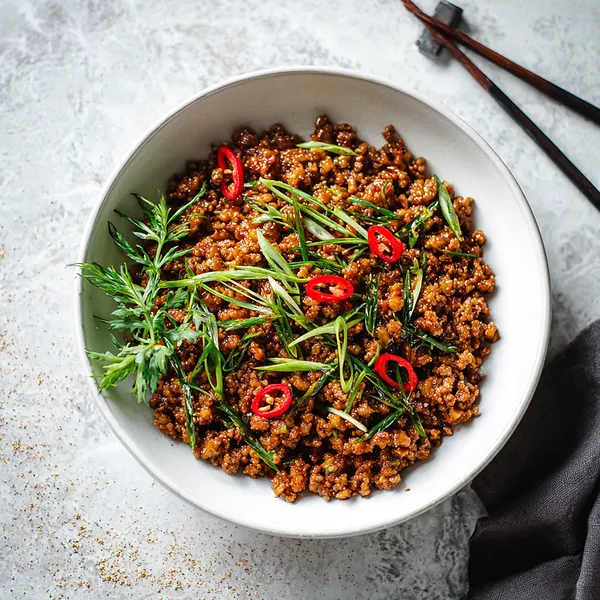
I first encountered Vietnamese caramelised pork at a small family-run restaurant in the heart of a bustling Vietnamese neighborhood, and it was love at first bite. The way the pork was cooked – not just browned but truly caramelised with that glossy, sticky coating – was unlike anything I'd tasted before. The balance of fish sauce's umami depth with the sweetness of palm sugar created this incredible complexity that I couldn't stop thinking about. What struck me most was how such simple ingredients could create such profound flavor. When I got home, I was determined to recreate it, and after a few attempts, I finally nailed that perfect ratio of sweet to savory, that ideal level of caramelization where the pork gets those crispy edges while staying tender inside. This recipe is my tribute to that unforgettable meal, adapted for the home kitchen but staying true to those authentic Vietnamese flavors. The aromatics – garlic and shallots – form the foundation, while the caramelization process is where the magic happens. As the sugar melts and darkens, it creates this beautiful amber glaze that coats every piece of pork. The fish sauce adds that essential umami punch that makes Vietnamese cuisine so addictive. And those fresh garnishes – the scallions, chilies, and cilantro – they're not optional. They bring brightness, heat, and freshness that balance the rich, caramelized pork perfectly. Every time I make this dish, I'm transported back to that little restaurant, and I feel grateful that I can now recreate those incredible flavors whenever I want.
Why I love this recipe
I love this recipe because it delivers maximum flavor with minimal effort and simple ingredients. There's something deeply satisfying about watching sugar caramelize in a pan, transforming from granules into a bubbling amber syrup that coats the pork in the most incredible way. The smell alone – that combination of caramelizing sugar, sizzling pork, and aromatic garlic – is enough to make my mouth water every single time. What makes this dish special is the perfect balance it strikes between sweet and savory, rich and fresh. The caramelised pork has this addictive quality where you just can't stop eating it, yet the fresh herbs and chilies keep it from feeling heavy. I also love how versatile it is – you can serve it over rice for a traditional meal, in lettuce cups for something lighter, or even as a topping for banh mi sandwiches. It's one of those recipes that looks and tastes impressive enough for guests, but it's so straightforward that I make it regularly for weeknight dinners. The ingredients are accessible, the technique is simple once you understand the caramelization process, and the results are consistently delicious. Plus, it comes together in about 30 minutes, which means I can have an authentic Vietnamese dinner on the table faster than I could order takeout. Every time I make this, I'm reminded of why Vietnamese cuisine has captured my heart – it's all about balance, freshness, and letting simple ingredients shine through thoughtful cooking techniques.
What You Need From Your Kitchen
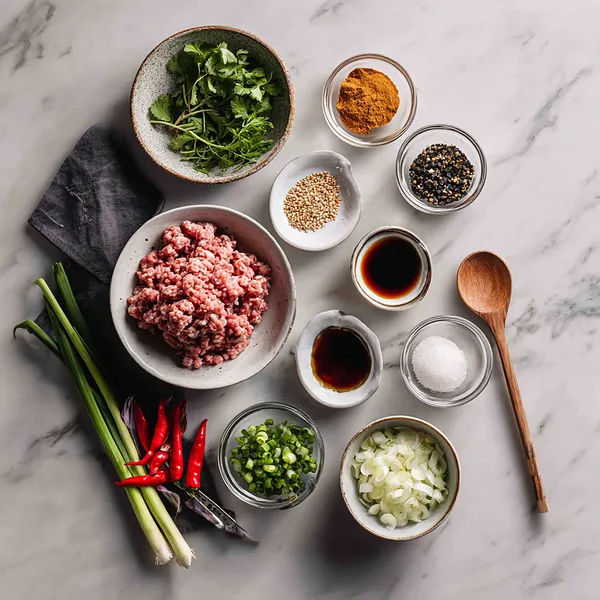
- Ground pork: Use pork with about 15-20% fat content for the best flavor and texture. The fat helps create that glossy, caramelized coating.
- Palm sugar: Traditional Vietnamese ingredient that caramelizes beautifully and adds complex sweetness. Can substitute with brown sugar if unavailable.
- Fish sauce: The essential umami backbone of the dish. Use high-quality Vietnamese or Thai fish sauce for authentic flavor.
- Garlic and shallots: Mince garlic finely and slice shallots thin so they cook evenly and infuse the caramel with aromatic flavor.
- Fresh herbs and chilies: Chop scallions and slice chilies just before serving to maintain their vibrant color and fresh flavor.
- Vegetable oil: Use a neutral oil with a high smoke point for stir-frying at high heat.
Let's Make These Together
- Prepare your mise en place
- Before you start cooking, have all your ingredients prepped and ready to go. Mince the garlic, slice the shallots, chop the scallions, and slice the chilies. Measure out your fish sauce and palm sugar. Vietnamese cooking moves quickly once you start, so having everything ready ensures smooth cooking and prevents burning.
- Master the caramel
- The key to this dish is creating a proper caramel base. Heat your wok over medium heat and add the palm sugar directly to the dry pan. Watch it carefully as it melts – you want a rich amber color, not dark brown or black. Stir gently as it melts, and once it reaches that perfect golden hue, carefully add a splash of water to thin it slightly. This caramel is what gives the dish its signature sweet-savory glaze.
- Build flavor layers
- Once your caramel is ready, add the oil followed immediately by the garlic and shallots. These aromatics will sizzle and release their fragrance into the caramel, creating a complex flavor base. Don't let them burn – they should just soften and become fragrant, which takes only 1-2 minutes. This aromatic caramel is what makes the pork taste so incredible.
- Cook the pork properly
- When you add the ground pork, increase the heat to medium-high and break it up thoroughly with your spoon. You want to maximize surface contact with the hot pan so the pork develops those coveted caramelized, slightly crispy edges while staying tender inside. Stir constantly and cook until there's no pink remaining and you can see beautiful golden-brown bits forming throughout.
- Season and finish with finesse
- Add the fish sauce and black pepper, then let everything cook together for a few more minutes. The sauce will reduce and create a glossy glaze that coats every piece of pork. Taste it at this stage – Vietnamese cooking is all about balance, so adjust the seasoning if needed. Finally, transfer to your serving dish and immediately top with fresh scallions, chilies, and cilantro while the pork is still hot. These fresh garnishes aren't just decoration – they're essential for balancing the rich, sweet pork with brightness and heat.
 pin it
Switch Things Up
I remember the first time I made this dish on a busy Tuesday evening when I was craving something flavorful but didn't want to spend hours in the kitchen. I had some ground pork in the fridge and a handful of aromatics, and I thought, why not try recreating that amazing caramelised pork I had at a Vietnamese restaurant last month? As the sugar began to melt and bubble in the pan, releasing that incredible caramel aroma, I knew I was onto something special. When I added the pork and watched it sizzle and brown in that sweet-savory glaze, the kitchen smelled absolutely heavenly. The whole thing came together in about 30 minutes, and when I took that first bite, I was transported. The balance of sweet and savory, the tender pork with those crispy caramelized bits, the fresh crunch from the scallions and heat from the chilies – it was perfection. Now I make this at least twice a month, and it never gets old. Sometimes I'll add a splash of lime juice at the end for extra brightness, or toss in some Thai basil if I have it on hand. It's become my go-to recipe when I want something comforting, flavorful, and quick.
Perfect Pairings
This Vietnamese Caramelised Pork Mince pairs beautifully with steamed jasmine rice, which soaks up all that delicious caramelized sauce. For a lighter option, serve it over vermicelli rice noodles or lettuce wraps for a fresh, crispy contrast. A side of pickled vegetables – like daikon and carrots – adds a tangy crunch that cuts through the richness of the pork perfectly. You could also serve it alongside a simple cucumber salad dressed with rice vinegar and sesame oil, or some sautéed bok choy for added greens. For beverages, a cold Vietnamese iced coffee or jasmine tea complements the sweet-savory flavors wonderfully. If you're looking to make it a complete Vietnamese feast, add some fresh spring rolls or a bowl of pho as a starter.
 pin it
Frequently Asked Questions
- → Can I use a different type of meat instead of pork?
Yes! While pork is traditional, you can use ground chicken, turkey, or even beef. Keep in mind that leaner meats like chicken or turkey will have a slightly different texture and may not get as crispy, so you might want to add a bit more oil. Beef works wonderfully and creates a richer flavor profile.
- → What can I substitute for palm sugar?
Brown sugar is the best substitute and works really well in this recipe. It won't caramelize quite the same way as palm sugar, but it will still give you that essential sweet base. You can also use coconut sugar for a closer flavor match to palm sugar, or even regular white sugar with a tiny splash of molasses added.
- → Is there a vegetarian version of this dish?
Absolutely! You can use crumbled firm tofu or textured vegetable protein (TVP) instead of pork. For the fish sauce, substitute with soy sauce or tamari mixed with a bit of mushroom seasoning to mimic that umami depth. The caramelization technique remains the same and creates a delicious vegetarian dish.
- → How do I prevent the caramel from burning?
The key is patience and attention. Use medium heat, not high, and watch the sugar constantly as it melts. Stir gently and remove from heat as soon as it reaches a golden amber color. If it starts smoking or turning very dark brown, it's burning – discard it and start fresh. Having your water ready to add once the caramel is done also helps control the temperature.
- → Can I make this dish ahead of time?
While this dish is best served fresh when the pork is hot and the garnishes are crisp, you can prep the caramelised pork ahead and store it in the refrigerator for up to 3 days. Reheat it in a pan with a splash of water to loosen the glaze, then add fresh garnishes just before serving. The texture won't be quite as perfect as freshly made, but it's still delicious.
- → What's the best way to serve this dish?
Traditionally, this caramelised pork is served over steamed jasmine rice, which soaks up all that incredible sauce. You can also serve it over vermicelli rice noodles, in lettuce cups for a lighter option, or even as a filling for banh mi sandwiches. Always include the fresh herbs and chilies – they're essential for balancing the rich pork.
- → Why is my pork not getting caramelized?
This usually happens if there's too much liquid in the pan or the heat is too low. Make sure your pan is hot enough (medium-high heat once you add the pork) and avoid overcrowding. If the pork releases a lot of liquid, let it cook until most of that liquid evaporates before the caramelization can really begin. Also, don't stir too frequently – let it sit for 30 seconds at a time to develop those golden-brown bits.
Conclusion
This Vietnamese Caramelised Pork Mince Stir Fry is the ultimate weeknight dinner that brings restaurant-quality flavors right to your home kitchen. The combination of sweet caramelized palm sugar and savory fish sauce creates an irresistible umami-packed glaze that coats every piece of tender pork. What makes this dish truly special is how the simple ingredients transform into something extraordinary through the caramelization process. Serve it over steamed jasmine rice or vermicelli noodles, and you've got a complete meal that will have everyone asking for seconds. The fresh herbs and chilies on top aren't just garnish – they're essential for balancing the rich, sweet pork with brightness and heat.